
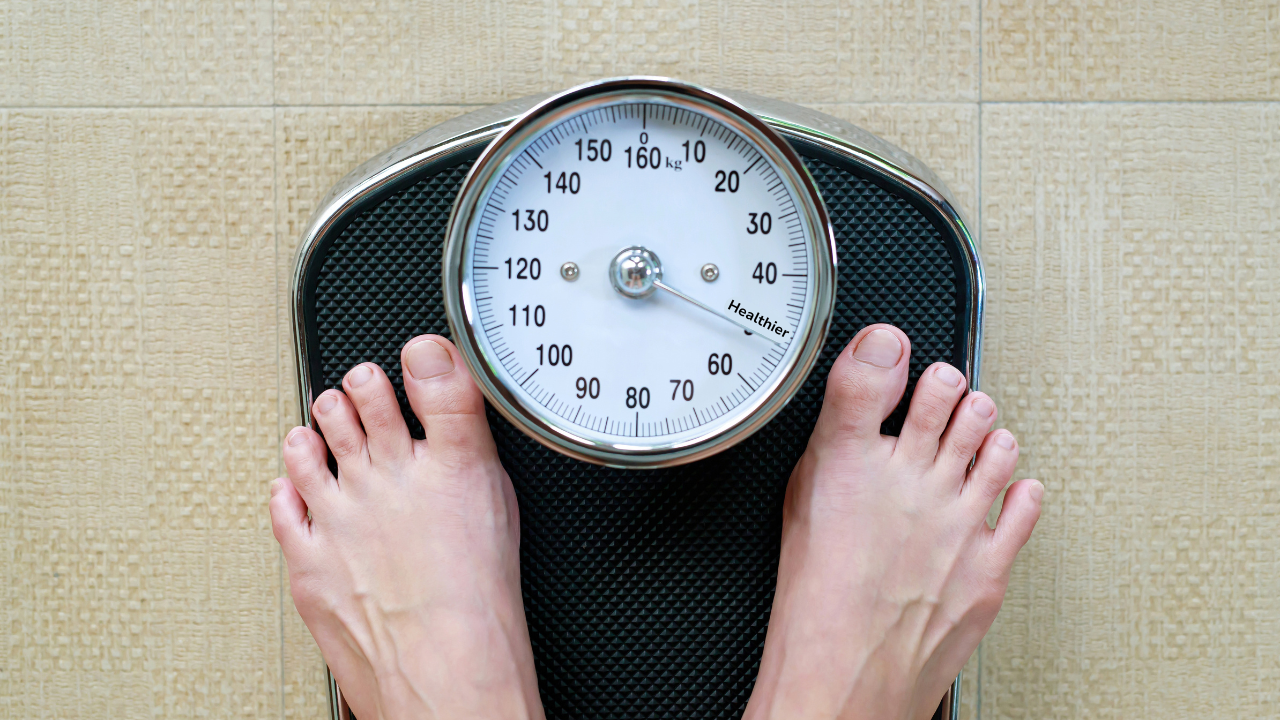
Let’s face it — when most people search for weight loss online, they’re hit with a tidal wave of quick fixes, celebrity diets, and “miracle” drugs. But here’s the truth no one’s shouting: long-term health and sustainable fat loss are less about restriction and more about restoration.
What if the goal wasn’t just to lose 20kg, but to become 20kg healthier — body, brain, and beyond?
Why You’re Stuck (Hint: It’s Not Willpower)
You’re not broken. Your nervous system and metabolism are just overwhelmed by a modern world that runs on stress, screens, and speed. Throw in ultra-processed food, disrupted sleep, and sitting all day—and it’s no wonder your body is holding onto fat.
Most diets fail not because you’re doing it wrong, but because the approach is wrong. Dieting can slow your metabolism, ramp up cravings, and push your body into survival mode.
Health isn’t about punishment. It’s about giving your body what it actually needs to thrive.
The 20-Week Reset: Small Steps, Big Results
Real change doesn’t happen overnight — and it doesn’t need to. A 20-week plan gives your body the time it needs to reset, adapt, and build momentum.
Here’s what matters more than the number on the scales:
• More energy and clearer thinking
• Better sleep and digestion
• Clothes that fit more comfortably
• Less bloating and fewer cravings
• Confidence and calm from the inside out
These are the real signs your health is changing.
5 Pillars of Sustainable Health (No Crash Diets Required)
Forget gimmicks. Focus on these five fundamentals:
1. Real Food First
Prioritise protein, plants, healthy fats, and water. Cut the ultra-processed distractions and feed your body what it’s made for.
2. Move with Purpose
Movement doesn’t have to mean hours in the gym. A daily walk, mobility work, or short strength session keeps your metabolic engine humming.
3. Reset Your Nervous System
Chronic stress locks your body in “fat-storage mode.” Focus on periods of rest and relaxation such as meditation or journaling exercises to reset. Hundreds of thousands of Australians include chiropractic care as part of a broader strategy to support their nervous system and overall wellbeing..
4. Master Stress
From breathwork to belly laughs, your stress habits shape your health. You can’t heal in a body that’s constantly on high alert. Identify and incorporate strategies to reduce the stress triggers that come up in your life, as much as possible.
5. Build Habits That Stick
Motivation fades. Habits win. Tie new behaviours to existing routines and track weekly wins, not daily perfection.
The Truth About “Wonder Drugs”
You might’ve heard of Ozempic—a drug that’s become popular for fast-track weight loss. But it comes with serious risks: digestive paralysis, muscle wasting, mental health concerns, and rebound weight gain when you stop.
It’s important to remember: fast doesn’t always mean better and “skinny” doesn’t always mean healthy.
Measure What Matters
The scales don’t tell the whole story. Health is about how you feel, how you function, and how confidently you move through life.
Pick 3–5 markers that matter most to you—like energy, digestion, sleep, or strength. Track them weekly. Celebrate progress and keep moving forward.
Final Thought
You don’t need to overhaul everything overnight. Just choose one thing that would make the biggest difference for you right now.
If you’re choosing to adopt any or all of these pillars into your daily life, it’s important to also consider your spinal health and mobility as a key part of the puzzle. A healthy spine plays an important role in supporting posture, movement, and comfort — all of which can influence how easily you stay active and manage stress in your day-to-day life..
If you’re exploring ways to improve your wellbeing, you may wish to speak with a chiropractor to find out if care is appropriate for your individual needs.. Together, we can help ensure your journey to a healthier, more vibrant you is as strong and supported as your spine itself.
You’ve got 20 weeks. Let’s make them count.
References
Why Diets Often Fail / Ozempic & Drug Risks
FDA Safety Communications (2023) – Reports on gastroparesis and severe GI issues from semaglutide (Ozempic) use.
NEJM (2021) – Weight regain after discontinuation of semaglutide.
Nature Medicine (2023) – Muscle and bone loss linked to rapid weight loss with semaglutide.
JAMA Internal Medicine (2022) – Increased gallbladder-related hospitalisations with GLP-1 agonists.
EMA Safety Review (2023) – Suicidal ideation associated with semaglutide use.
Metabolism, Stress & Nervous System
Haavik H et al. (2024) – Neuroplastic Responses to Chiropractic Care: Broad Impacts on Pain, Mood, Sleep, and Quality of Life. Brain Sciences.
Australian Institute of Health and Welfare (2024) – Overweight and Obesity Summary.
Kwok, K., Lam, K., & Xu, A. (2016) – Heterogeneity of white adipose tissue: molecular basis and clinical implications. Experimental & Molecular Medicine.
Ultra-Processed Foods & Lifestyle Impact
Fang Z et al. (2024) – Association of ultra-processed food consumption with all-cause and cause-specific mortality: BMJ, 385:e078476.
Postural & Structural Health
Moustafa IM et al. (2016) – Addition of a sagittal cervical posture corrective device improves outcomes in discogenic cervical radiculopathy. Archives of Physical Medicine and Rehabilitation.
Recent Comments