
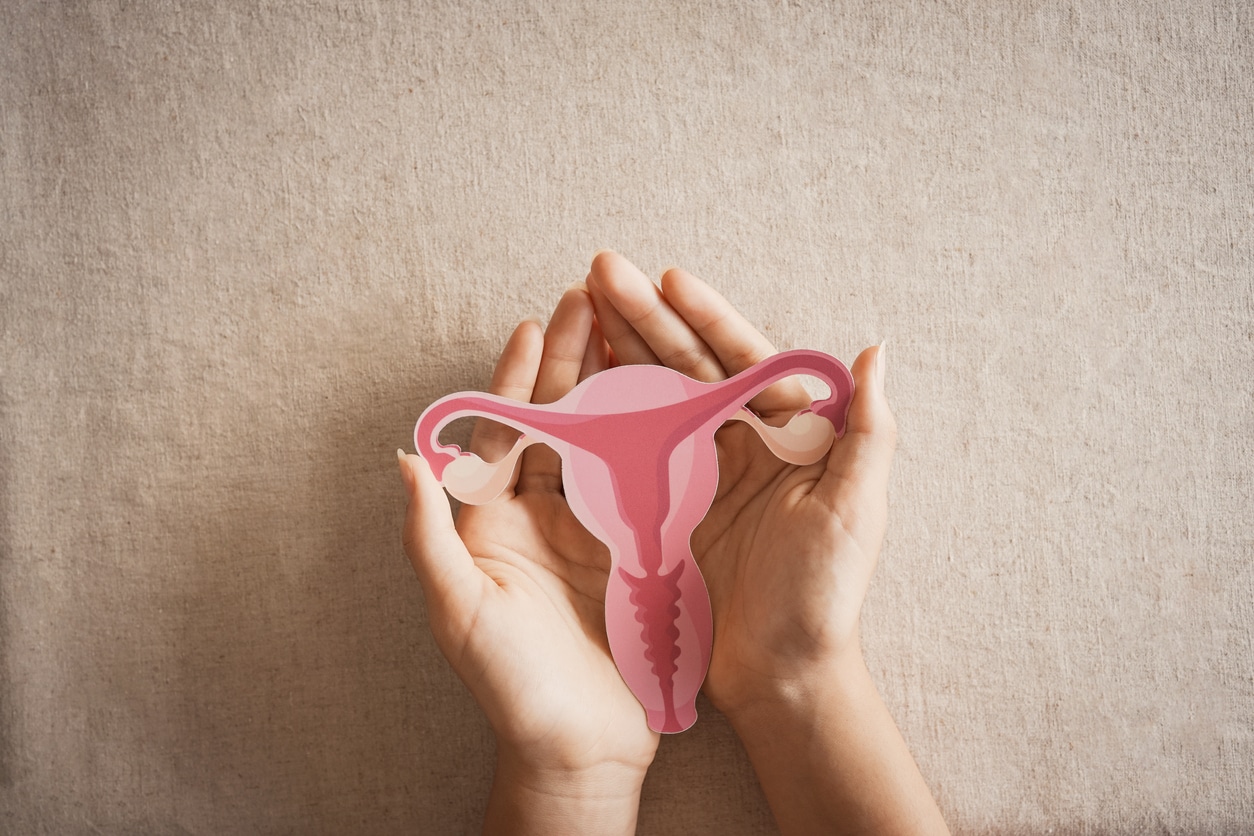
For many women, reproductive health can feel like a puzzle, one that often includes years of confusing symptoms, trial-and-error treatments, and feeling dismissed or misunderstood.
Conditions like endometriosis, Polyendocrine Metabolic Ovarian Syndrome (PMOS) (formerly known as Polycystic Ovary Syndrome or PCOS), and fibroids are complex and influenced by a combination of hormonal, inflammatory, genetic, environmental, and lifestyle factors. Stress may also influence symptom severity and overall wellbeing. Similarly, menopause isn’t a switch that’s flipped at 50. It’s a gradual transition that can influence many body systems, including hormones, brain function, metabolism, mood, sleep, and musculoskeletal health.
Let’s explore how to better understand and support the female body through every stage of life.
Endometriosis, PMOS, Fibroids: Different Conditions, Common Challenges
While each condition has its own underlying mechanisms, factors such as chronic stress, inflammation, hormonal imbalance, insulin resistance (particularly in PMOS), genetics, and lifestyle may influence symptoms or disease progression.
| Condition | Common Symptoms | Overview |
| Endometriosis | Painful periods, pelvic pain, back pain, infertility | Tissue similar to the lining of the uterus grows outside the uterus. |
| PMOS (formerly PCOS) | Irregular menstrual cycles, acne, unwanted hair growth, difficulty managing weight | A complex hormonal and metabolic condition commonly associated with insulin resistance and ovarian dysfunction. |
| Fibroids | Heavy menstrual bleeding, pelvic pressure, frequent urination | Non-cancerous growths of the uterus that may contribute to pain and heavy bleeding. |
Although these conditions differ, recognising common symptoms and seeking appropriate healthcare advice early may help support timely diagnosis and management.
Why Stress Can Influence Symptoms
Periods of ongoing stress can influence many normal body processes, including hormone regulation, immune function, sleep, and recovery. Over time, this may contribute to symptom flare-ups in some women.
Chronic stress may:
• Increase cortisol levels, which can influence hormone regulation and insulin sensitivity.
• Contribute to increased inflammation, which may worsen pain and discomfort.
• Influence digestive health and other physiological processes that play a role in overall wellbeing.
Managing stress and supporting overall wellbeing may help improve quality of life and assist people in managing symptoms alongside appropriate medical care.
Menopause: Understanding the Transition
Menopause is more than a decline in oestrogen, it’s a natural life stage involving significant hormonal changes that can influence many aspects of health and wellbeing.
Some women experience:
• Brain fog and memory changes
• Mood changes
• Joint pain and stiffness
• Hot flushes and sleep disturbances
• Changes in body composition and metabolism
For many women, it can also represent a new chapter, an opportunity to focus on their health, wellbeing, and quality of life. Every woman’s experience is different, and understanding these changes can help make the transition feel less overwhelming.
Supporting Reproductive & Menopausal Health Naturally
Supporting reproductive and menopausal health involves taking a whole-person approach.
• Prioritise a balanced diet rich in protein, fibre, and nutrient-dense foods to help support energy levels and blood sugar regulation.
• Include regular resistance training and physical activity to support strength, bone health, and overall wellbeing.
• Stay hydrated and enjoy a varied diet that includes plenty of vegetables, including cruciferous vegetables.
• Prioritise adequate sleep to support recovery and general health.
These healthy lifestyle habits can contribute to overall wellbeing. Stress management strategies such as mindfulness, breathwork, spending time in nature, and maintaining social connections may also support general health and quality of life.
Some people also choose to include chiropractic care as part of their broader approach to supporting musculoskeletal health, movement, and overall wellbeing.
Conclusion
You don’t need to fight your body—you can learn to work with it. Understanding the changes that occur during different stages of life empowers you to make informed decisions and seek the support that’s right for you. While conditions such as endometriosis, PMOS, fibroids, and menopause each present their own challenges, many women find that combining appropriate medical care with healthy lifestyle habits can help them manage symptoms and support their overall wellbeing.
As part of this whole-person approach, it’s also worth considering your spinal health and mobility. A healthy, well-functioning spine supports posture, movement, and everyday physical function, helping you stay active and engaged in the activities that matter most. If you’re looking to better understand your musculoskeletal health, book an appointment with one of our chiropractors to see whether chiropractic care could be a valuable part of your overall wellbeing plan. Together, we can support your journey towards living well through every stage of life.
References
Australian Institute of Health and Welfare (AIHW). (2024). Endometriosis in Australia.
– Supports discussion of endometriosis prevalence in Australia, common symptoms, and the average delay in diagnosis.
Armour, M., et al. (2020). Diagnostic Delay in Endometriosis.
– Supports the statement regarding the average time between symptom onset and diagnosis of endometriosis.
O’Hara, R., et al. (2022). Endometriosis Diagnostic Delay.
– Supports discussion surrounding delayed diagnosis and the impact this can have on women living with endometriosis.
Royal Australian College of General Practitioners (RACGP). (2012). Polycystic Ovary Syndrome. Australian Family Physician, 41(10).
– Supports discussion of PCOS prevalence, common clinical features, insulin resistance, and the proportion of women who remain undiagnosed.
Briden, L. (2022). The Period Repair Manual (2nd ed.).
– Supports discussion of menstrual health, hormonal balance, reproductive wellbeing, and lifestyle factors that may influence symptoms.
The Wellness Women. (2023). Hormones in the Real World.
– Supports the educational content relating to hormone regulation, stress, nutrition, and practical lifestyle strategies for reproductive and menopausal health.
Dainow, E. (2024). Functional Hormone Seminars.
– Supports discussion of hormonal physiology, endocrine function, and lifestyle approaches presented.
Blogs & Latest News
“Type 3 Diabetes”? Understanding the Link Between Blood Sugar & Brain Health
Explore the emerging research linking insulin resistance, blood sugar and Alzheimer’s disease, plus everyday habits that can support brain health as you age.
Healthy Ageing: How to Stay Active, Strong & Independent
Discover practical healthy ageing strategies to support movement, brain health, independence and wellbeing through exercise, sleep, nutrition and more.
Flexibility for Freedom: Simple Ways to Move Better Every Day
Flexibility isn’t just about touching your toes—it’s about making everyday movement feel easier and more comfortable.
Whether it’s reaching overhead, getting out of the car, or keeping up with the kids, maintaining flexibility and mobility can help support your independence and quality of life as you age.
Read our latest blog for practical stretching tips and simple habits to help you move with confidence.
Neck Pain Relief: Common Causes, Posture & Practical Solutions
Neck pain has become one of the most common complaints in modern life—and poor posture, prolonged screen time, stress, and lack of movement can all play a role.
In this blog, we explore why neck pain develops, how posture influences spinal health, and practical steps you can take to support better movement and comfort throughout your day.
Understanding Sciatica: Looking Beyond the Pain
Sciatica is more than just pain down the leg — it’s a signal that something may be irritating or compressing the sciatic nerve.
In this blog, we explore what sciatica is, what can cause it, when symptoms may need urgent attention, and how movement, lifestyle, and appropriate care may support recovery.
Understanding Scoliosis: Signs, Causes & Why Early Detection Matters
Scoliosis is often mistaken for poor posture—but it’s much more than that.
A scoliosis curve can affect posture, movement, balance, and in some cases even breathing. The good news? Early detection can make a significant difference, particularly during growth and development.
In this blog, we explore the signs of scoliosis, who it affects, and why regular spinal assessments can play an important role in maintaining spinal health throughout life.
The Spectrum Revealed: Understanding the Brain-Body Connection in Children**
**This article is intended for educational purposes only and is not intended to diagnose, treat, or make claims regarding any specific developmental, behavioural, or neurological condition.** More and more families are noticing behavioural, emotional, and...
Brain Health and Ageing: Simple Habits to Support a Sharper Mind
Fall Prevention for Older Adults: How to Stay Strong, Confident, and Independent
Falling may feel like a normal part of getting older, but the truth is: most falls are preventable. In fact, when it comes to injuries that hospitalise Australians, falls are the number one cause—and the risks only increase with age. Whether you're worried about...
Bulletproof Your Back: Reclaim Strength, Stability, and Control
Why Does Low Back Pain Deserve Your Full Attention? Low back pain is one of the most common reasons people miss work, skip out on family activities, and quietly stop doing the things they love. But here’s the real problem: it’s often underestimated—until it becomes...
Cosmic Heart: Exploring the Heart-Brain Connection and Emotional Rhythm
We’ve all been taught that the heart is just a pump, a mechanical organ pushing blood through the body like a motor. But what if that’s only a small part of the story? The latest science, and the most ancient wisdom, tells us that the heart is so much more. It’s a...
The Building Blocks of Infant Development: Tummy Time, Milestones & Sensory Integration
Infant development is a delicate, beautiful sequence of brain and body milestones. While every child grows at their own pace, there are foundational experiences that help babies thrive. This workshop series explores three core pillars: tummy time, milestone...
Recent Comments